KIMBERLY WETHAL
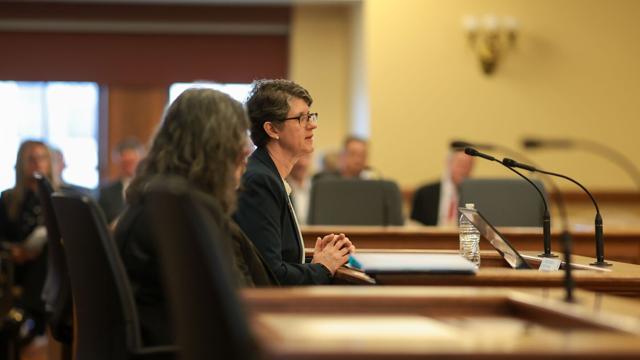
Lawmakers will audit the state Department of Public Instruction’s process for granting and revoking licenses for educators as the criticism over how the agency investigates cases of teacher misconduct continues.
The Legislature’s joint audit committee voted unanimously Wednesday to task the nonpartisan Legislative Audit Bureau with investigating nearly a dozen aspects of DPI’s licensing process, including how it investigates allegations of educator misconduct, the steps it takes to revoke or suspend licenses and if the department is following its state laws and its own policies as it does so.
The audit follows an October investigative report by The Cap Times that found that, between 2018 and 2023, DPI investigated about 200 public school teachers, substitutes, aides and administrators for alleged sexual misconduct or grooming behaviors toward students.
Republican lawmakers in particular have homed in on the report, stating DPI’s offers of voluntary revocation early in the investigation process is evidence they don’t investigate incidents fully.
DPI officials, including State Superintendent Jill Underly, said the license investigation process is transparent and the agency does not seek to hide any information from the public. Rather, DPI officials argue, there’s gaps in state law making it harder to hold accountable the people who are "grooming” children, widely known as courting a child’s favor and affection for eventual sexual gain, as well as other legal limitations the agency faces in investigating accused staffers.
Underly said Tuesday there’s room for improvement, though, and said the agency is working on creating a specific database where the public can search for suspended or revoked licenses. Future iterations could include reasons why an educator had their license revoked.
Underly told lawmakers Wednesday she thinks the department could supply all of the data the audit bureau will be seeking.
Earlier this week, lawmakers introduced two bills that would define an umbrella of behaviors that constitute grooming and would require school boards to set limitations on how staff communicate with students.


 Posts
Posts


No comments:
Post a Comment