


Sarah Ballman, 50, of East Troy – Obituary
2 hours ago
Infotainment - Racine, Wisconsin, USA
We Energies customers will pay nearly 10% more for electricity by 2028 under the utility’s new rate proposal.
We Energies is seeking a 9.2% electric rate hike for non-data center customers through 2028, according to filings submitted to state regulators April 1. That’s an additional $175.8 million in 2027 and $179.6 million in 2028.
Residential rates will rise 14.75% by 2028. If approved, We Energies customers will have experienced six rate hikes since 2020.
The three-member state Public Service Commission sets utilities’ electric, natural gas and steam rates. It is expected to rule on the rate increases later this year.
Here’s what to know:
Residential We Energies customers will see a 9.25% increase in 2027, or around $13 added to their electric bill, under the utility's proposal. The typical monthly bill is expected to total $157.33, up from $148.22 in 2026, according to the proposal.
In 2028, rates would rise another 5.5%. That would add $8-$9 to electric bills for a typical total of $166.02.
The proposed increase follows another double-digit rate hike in the rate case for 2025 and 2026.
Wisconsin Electric-Gas rates would rise 0.1% in 2027, before jumping 4.5% in 2028. Wisconsin Gas customers would see a 6.8% increase in 2027 followed by a 4% increase in 2028.
The average electric bill for a We Energies residential customer who uses 660 kilowatt-hours per month.
But Tom Content, executive director of Wisconsin's Citizens Utility Board, hoped the utility would have moderated its residential rate increase given increasing concerns around affordability.
"Based on an initial snapshot, it looks like another double-digit increase for We Energies customers, who have already seen their bills rise much faster than inflation over the last four years," Content said.
Construction of new energy projects accounts for most of the proposed rate increase in both 2027 and 2028.
We Energies is building over a dozen new solar fields, wind farms and natural gas plants that will add $6 billion in costs over the next few decades. Of that, around $1 billion will be spread across We Energies residential and business customer bills.
We Energies is seeking $230.8 million from residential customers in 2027 and 2028 for costs related to these projects.
The utility says the new projects will help transition its fleet to clean energy, saving significantly on fuel costs in the future.
“This is just continuing that plan, then layering on the data center growth,” said Rich Stasik, We Energies vice president of regulatory affairs. “Because of it, we’re buying more projects, but we’re still allocating the same amount of generation to our non-data center customers that we otherwise would have.”
Hyperscale data centers – like Microsoft’s Mount Pleasant campus and Vantage’s facilities in Port Washington – are driving most of the demand for new power generation.
Data center companies will pay around $5 billion, or more than 80%, of the $6 billion in new power generation recently approved by state regulators, according to the rate filing.
We Energies says residential customers will only pay for the power they use. The utility has asked the PSC for permission to create a separate rate for data center customers, which it says will shield other ratepayers from costs.
Consumer advocates and some PSC analysts have raised concerns that the rate proposal may not be strong enough to fully prevent cost shifting.
Commissioners are expected to rule on the rate case by the end of 2026.
The PSC typically holds public hearings on rate cases in the fall. It will also open a period for members of the public to submit comments online or by mail.
Francesca Pica can be reached at fpica@usatodayco.com.
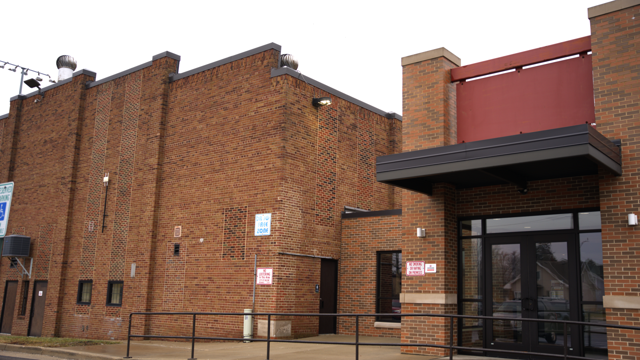
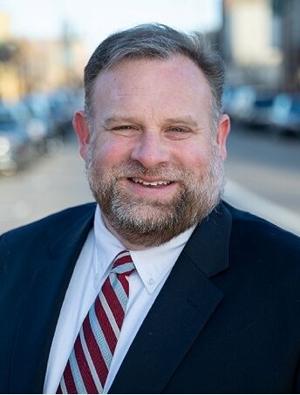
RACINE — Mayor Cory Mason is proposing that the Common Council consider renaming the Cesar Chavez Community Center to the Dolores Huerta Community Center.
He made the proposal Thursday after Dolores Huerta, who co-founded the United Farmer Workers alongside Chavez, accused Chavez of sexual assault.
A New York Times investigation Wednesday found Chavez also groomed and sexually abused young girls who worked in the movement.
 |
| Mason |
A resolution to rename the community center will be introduced at the Common Council meeting April 20.
The Cesar Chavez Community Center is on Racine’s north side at 2221 Douglas Ave.


↓


 Posts
Posts

